
Septal Defect Closure (PFO, ASD, VSD)
A septal defect closure is a catheter-based procedure that repairs abnormal openings between the heart’s chambers. These openings, including Patent Foramen Ovale (PFO), Atrial Septal Defect (ASD), and Ventricular Septal Defect (VSD), are types of congenital heart conditions that allow blood to flow in unintended directions.
At CardioOne, our interventional cardiologists use advanced, minimally invasive techniques to close these defects without the need for open-heart surgery.
Understanding Septal Defects
The heart has four chambers, two atria and two ventricles, separated by thin walls called septa. When an opening exists in these walls, oxygen-rich and oxygen-poor blood can mix, reducing the heart’s efficiency.
- PFO: A small flap-like opening between the upper chambers that fails to close after birth.
- ASD: A persistent hole in the atrial septum.
- VSD: An opening between the lower chambers.
These conditions vary in size and significance; some close naturally, while others require treatment.
Why Septal Defect Closure May Be Needed
Closure may be recommended if:
- The defect is large and causes heart enlargement or breathlessness
- You’ve had a stroke potentially linked to a PFO
- There’s evidence of increased blood flow to the lungs or reduced oxygen levels
The aim is to restore normal blood circulation, improve symptoms, and reduce the risk of complications.
State-of-the-art Facility
Located in Chermside Health Hub
Level 2, 621 Gympie Rd, Chermside
How the Procedure Is Performed
The procedure is performed under sedation or general anaesthesia. A catheter is inserted through a vein in the groin and guided into the heart using ultrasound and X-ray imaging. The cardiologist then positions a closure device across the defect, typically resembling a small double-disc that expands to cover both sides of the opening.
Once correctly placed, the device is released and remains permanently in the heart. Over time, the body’s tissue grows over the device, sealing the opening completely.
The procedure usually takes one to two hours, and most patients stay overnight for observation.
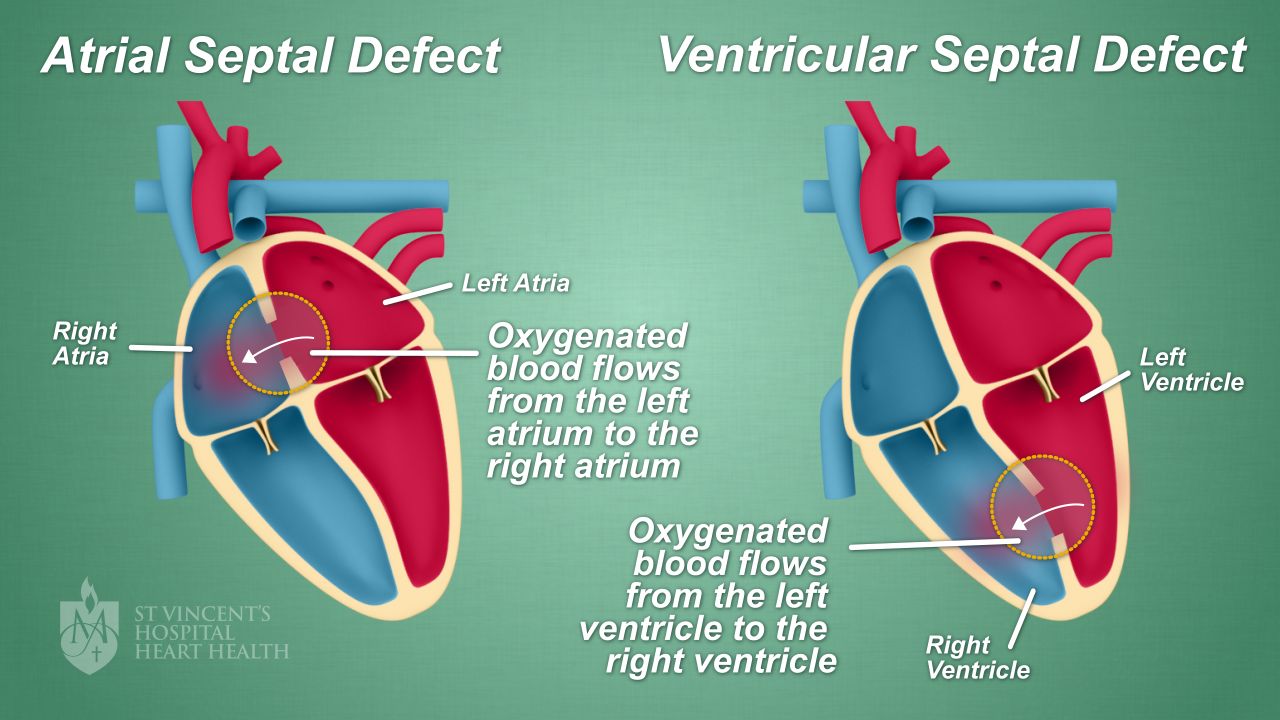
Source Image: St Vincent's Heart Health Website
Recovery and Aftercare
You can expect to return to normal activities within a few days. Some patients may experience mild chest discomfort or bruising at the catheter site. A follow-up echocardiogram is scheduled to confirm successful closure.
Temporary antiplatelet or anticoagulant medication may be prescribed to prevent clot formation as the device settles.
Long-Term Outlook
Once healed, the closure device functions as part of the heart wall. Regular check-ups and echocardiography help ensure ongoing heart health.