
Paravalvular Leak Repair
A Paravalvular Leak (PVL) Repair is a specialised catheter-based procedure used to seal leaks that can occur around a surgically implanted or transcatheter heart valve. These leaks develop when small gaps form between the artificial valve and the surrounding tissue, allowing blood to flow in the wrong direction.
At CardioOne, this complex intervention is performed using advanced imaging guidance and precision techniques to restore valve function and improve heart performance.
Why Paravalvular Leaks Occur
Following valve replacement, small separations may occur between the prosthetic valve and the native heart tissue. This can result from tissue healing differences, infection, or degeneration over time. While some leaks are mild and cause no symptoms, others may lead to:
- Shortness of breath
- Fatigue or dizziness
- Anaemia due to red cell breakdown
- Heart failure symptoms
When these occur, repair is recommended.
How the Procedure Is Performed
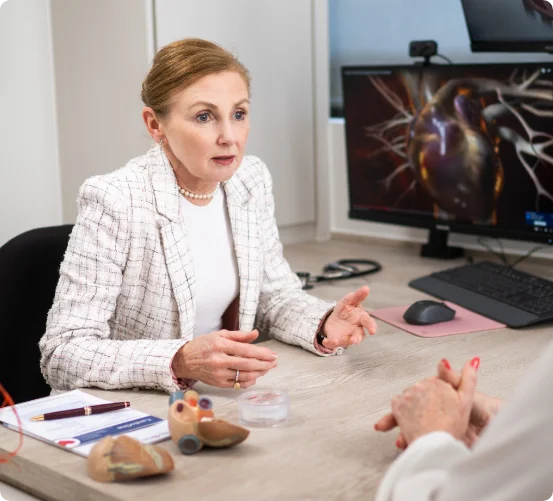
Paravalvular leak repair is performed under general anaesthesia in a cardiac catheterisation lab. Using real-time echocardiographic and fluoroscopic imaging, your cardiologist identifies the exact location of the leak.
A catheter is inserted through a vein or artery and advanced to the site of the leak. Specially designed closure devices, such as vascular plugs, are deployed to fill and seal the gap around the valve. Once the device is secured and blood flow normalised, the catheter is withdrawn.
The procedure typically takes one to two hours.
State-of-the-art Facility
Located in Chermside Health Hub
Level 2, 621 Gympie Rd, Chermside
Recovery and Monitoring
After the procedure, you will be monitored overnight. Echocardiography is performed before discharge to confirm the effectiveness of the repair. Most patients return home within 24-48 hours.
You may be prescribed short-term anticoagulant or antiplatelet therapy depending on your valve type and medical history.
Benefits and Outcomes
Successful closure restores normal valve function, reduces regurgitation, and improves symptoms such as breathlessness and fatigue. This minimally invasive approach avoids the need for repeat open-heart surgery in most cases.
Ongoing Follow-Up
Regular follow-up with your cardiologist helps ensure stable device positioning and valve function. Additional imaging or check-ups are arranged as part of your ongoing care plan.