
Coronary Angiogram
What is Coronary Angiogram?
Coronary angiogram is a medical imaging procedure used to assess how well blood is flowing through the arteries of the heart. It involves injecting a contrast dye into the coronary arteries and capturing X-ray images to detect blockages or narrowing in the arteries, or other abnormalities. This test helps in diagnosing coronary artery disease and determining the best treatment plan.
Benefits of Coronary Angiogram
There are many benefits to coronary angiogram in the diagnosis and management of heart conditions, including:
- Provides clear images of the coronary arteries.
- Helps identify blockages that could lead to heart attacks.
- Guides treatment decisions, such as medications, stents, or surgery.
- Minimally invasive and typically performed as an outpatient procedure.
State-of-the-art Facility
Located in Chermside Health Hub
Level 2, 621 Gympie Rd, Chermside
How is Coronary Angiogram Performed?
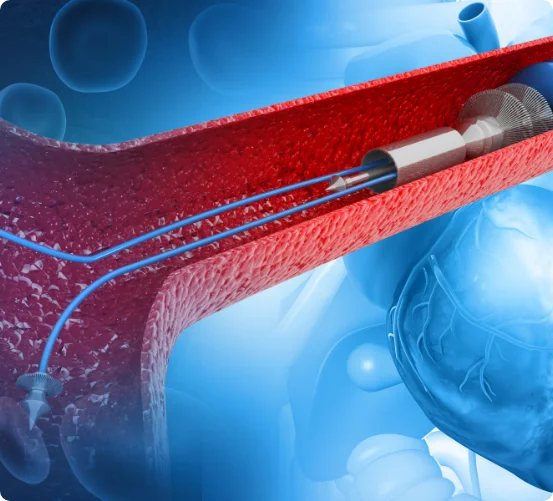
The procedure involves inserting a thin, flexible tube (catheter) into a blood vessel, usually in the wrist or groin, and carefully guiding it to the coronary arteries. A contrast dye is injected through the catheter, and X-ray images are taken in real time to visualise blood flow and detect any blockages. The procedure typically takes about 30-60 minutes.
Preparation for Coronary Angiogram
Before your coronary angiogram, you will need to fast for several hours, usually from midnight the night before. Inform Prof Walters about any medications you’re taking, particularly blood thinners or diabetes medications, as some may need to be adjusted. Routine blood tests and kidney function assessments may be performed to ensure your body can handle the contrast dye used in the procedure. Since you may not be able to drive immediately after the procedure, it’s advisable to arrange transportation home in advance.
Coronary Angiogram Procedure
- Insertion: The cardiologist numbs the insertion site and places a catheter into the artery.
- Imaging: dye is injected through the catheter, and X-ray images are taken.
- Completion: Once images are captured, the catheter is removed, and pressure is applied to prevent bleeding.
- Recovery: You’ll be monitored for a few hours before being discharged. If performed through the wrist, recovery is faster compared to the groin.
Risks of Coronary Angiogram
Coronary angiogram is generally a safe procedure, but it does carry some risks. These are usually minor and manageable, such as:
- bleeding or bruising at the catheter insertion site
- some patients may experience an allergic reaction to the contrast dye used during the procedure, although this is uncommon,
It’s important to note that every precaution is taken to minimise risks, and the benefits of the procedure in diagnosing heart conditions often outweigh the potential risks.
Follow-Up Care After Coronary Angiogram
After the procedure, you may need to take it easy for a day or two. Drink plenty of fluids to help flush the contrast dye from your body. Prof Walters will discuss the results and recommend any necessary treatments, such as lifestyle changes, medications, or further procedures.